-
Bryce Canyon Visitor Center
10m
Embark on this epic adventure through Bryce Canyon National Park just before the Visitor Center. As we begin the drive, we'll learn about how the canyon got its namesake and about the original Paitue people who called this land home.
Note: The tour is over 60 miles long, with more than 30 audio stories, and takes about 1-2 hours to complete.
New, Lifetime access, no expiry. Use it anytime, on any trip, as many times as you want.
-
Bryce Canyon National Park
Pass by
Named after the Mormon Pioneer Ebenezer Bryce, Bryce Canyon became a National Park in 1924. Bryce is famous for its unique geology, which consists of a series of horseshoe-shaped amphitheaters carved from the eastern edge of the Paunsaugunt Plateau in southern Utah. Named after the Mormon Pioneer Ebenezer Bryce, Bryce Canyon became a National Park in 1924. Bryce is famous for its unique geology, which consists of a series of horseshoe-shaped amphitheaters carved from the eastern edge of the Paunsaugunt Plateau in southern Utah. The erosional force has shaped the colorful limestone rock of the Claron Formation into bizarre shapes, including slot canyons, windows, fins, and spires called hoodoos.
-
Fairyland Point
5m
Our first detour is at the breathtaking Fairyland Point. This overlook offers a great sneak peek at everything Bryce Canyon contains: sweeping vistas, sheer cliffs, and, of course, the world-famous hoodoos!
-
Sunrise Point
5m
Our next stop is one of the most famous in the entire park: Sunrise Point. From this vantage point, we'll see unique, picturesque rock formations spread out in front of us and a plethora of natural trails leading into the vast, alient landscape.
-
5m
Our self-guided driving tour continues around the famous Bryce Amphitheatre! The canyon curves around in the shape of a giant semicircle and dips far below our feet.
-
Sunset Point
5m
Our drive brings us to another striking vista point overlooking the Bryce Amphitheatre: Sunset Point. Here, as we gaze out over the implausible shapes below us, we'll learn about the science behind their formations and understand what, exactly, makes a hoodoo. We'll explore the impact of geology and erosion over a monumental time scale, hoping to understand how such a incredible landscape came into existence.
-
Inspiration Point
5m
We continue our self-guided tour deeper into Bryce Canyon, towards Inspiration Point. As we drive, we learn about the Paiute people and their mythologies. They had their own explanation for the uniqueness of this landscape and the origins of Bryce's famous hoodoos.
-
Bryce Point
10m
This brings us to Bryce Point, which offers one of the most scenic vistas of the full amphitheater. Bryce Point is also famous for its extraordinary sunrises. From here you can watch the tops of hoodoos set alight as if by fire from the first rays of the rising sun. Like fire, the orange light quickly spreads driving shadows from all but the deepest recesses of the amphitheater. As we drive here, we'll learn about the Mormon settlers who followed the Paitue and tried to eke out a living in this unforgiving climate.
-
Paria View
5m
Our self-guided tour continues to Paria View, where we see the effects of a centuries-old glacier. As the earth warmed about 12,000 years ago, the last ice age came to an end. As the enormous glaciers which covered the American continent melted, all that new water had to go somewhere. Answer: down the canyon!
-
10m
Now our drive takes us into the lesser-trafficked part of the park. As we drive to Swamp Canyon Overlook, we'll learn about a famous local: Butch Cassidy! We'll learn all about Butch, Sundance, and the difference between fact and fiction as we continue the self-guided tour.
-
Farview Point
5m
Our next stop is at Farview Point. It’s not just the elevation that allows for such incredible views here -- the land here also offers something becoming increasingly rare in today’s world. Can you guess what it is? Clean air! That's helped along by the abundance of bristlecone pines here, which are the Earth's oldest trees.
-
10m
The self-guided tour passes by Natural Bridge next, which features unusual arches and formations -- in case we weren't already amazed by the hoodoos of the amphitheatre!
-
Agua Canyon
10m
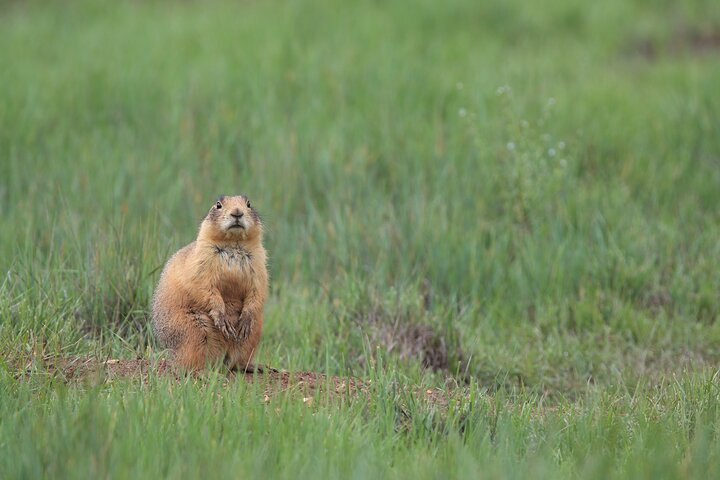
At Agua Canyon two prominent hoodoos command attention. On the left, is the taller of the two towers, "The Hunter." To the right, the "Rabbit". Neither look anything like a hunter or rabbit though! As we drive on, we'll learn about rabbits, deer, and other wildlife of Bryce. We'll also understand what tricks they use to survive the scorching hot summers and deeply freezing winters.
-
Ponderosa Canyon
10m
This brings us to Ponderosa Point, from which you can see the park’s iconic junipers sprawling out into the distance. We're now driving into the deepest recesses of Bryce Canyon National Park.
-
5m
Our self-guided drive continues towards Black Birch Canyon Overlook. As we drive, we'll learn all about the night sky and opportunities for amateaur astronomy while you're here. The stargazing at Bryce is unparalleled.
-
Rainbow Point
10m
Finally, we reach the farthest overlooks inside Bryce Canyon: Rainbow and Yovimpa. From here, you can see nearly everything in Bryce Canyon -- the quintessential hoodoos, the verdant basin, the sheer cliffs. You can even see that you're on the top step of the incredibly massive "Grand Staircase" -- a geologic structure "stepping down" all the way to the Grand Canyon in Arizona.
-
10m
That arch up ahead and its twin a little ways down the road are the Red Canyon Arches. These might look a little like natural arches, but they’re actually made by people. Workers tunneled through solid rock here in 1914 to make room for the road. Since then, these have become a sort of gateway to the beautiful expanse of Bryce Canyon.